
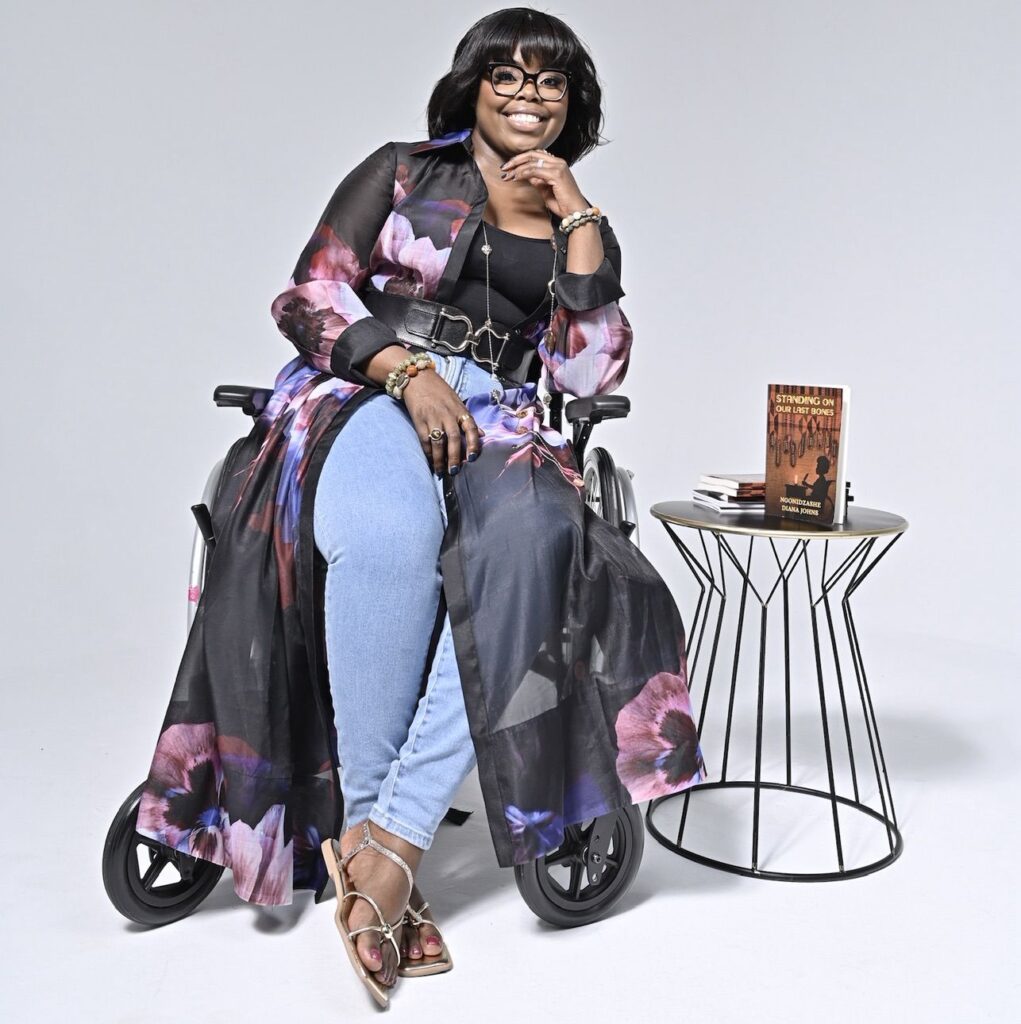
There was a time when I thought my identity was buried under a mountain of medical records and hospital bracelets. When you’re navigating the choppy waters of chronic illnesses: whether it’s the relentless flare of Endometriosis, the dizzying spells of POTS, or the unpredictable reactions of MCAS: it’s easy to feel like the "you" that used to exist has been replaced by a "patient."
I know that feeling of looking in the mirror and seeing a stranger, someone whose life is dictated by heart rates, heavy bleeding, or brain fog. But here’s the secret I learned while sitting in my wheelchair, surrounded by notebooks: Your identity isn’t gone. It’s just waiting for you to reclaim it.
Healing isn’t always about a "cure" (I wish it were that simple, believe me). Often, it’s about the radical act of finding yourself again in the midst of the storm. If you’re ready to stop being a footnote in your own medical history and start being the author of your story again, here is my guide on how I started my own healing journey.
Before we can rise, we have to acknowledge what we’ve lost. For a long time, I tried to "power through" my Adenomyosis and the exhaustion that came with it. I was desperate to keep up with the version of me that could do it all.
But you can’t heal a heart you’re ignoring.
The first step in my rooted approach to recovery was mourning. I had to sit with the grief of the career changes, the cancelled plans, and the body that didn't work the way it used to. It’s okay to be angry. It’s okay to cry over the life you thought you’d have. Reclaiming your identity starts with being honest about the gap between where you are and where you wanted to be. Once you name the loss, it loses its power to haunt you.
If there is one tool that changed everything for me, it was journaling. And I’m not talking about just tracking symptoms (though that’s helpful). I’m talking about "soul-writing."
When my world felt chaotic, the blank page was the only place I had total control. I started using guided journals to navigate the complex emotions that doctors didn't have a prescription for. Writing is a way to pull the invisible battles out of your head and put them where you can see them.

In my journey, journaling became my sanctuary. It was where I could admit I was scared, where I could celebrate a "small" win like making it to the kitchen, and where I could remind myself that I am more than my diagnosis. If you’re looking for a place to start, our Becoming Light journal is designed for exactly this: gentle transformation and finding your way back to your essence.
In a world that prizes "the hustle," being chronically ill can feel like a personal failure. I used to beat myself up on days when my POTS meant I couldn't stand up for more than five minutes.
I had to radically shift my perspective. I began to see "resting" as a productive act. If my body was fighting a war internally, then lying down was the most strategic thing I could do.

Reclaiming your identity means deciding that your worth is not tied to your output. You are worthy because you exist, not because of how many tasks you ticked off a list while in a flare. Using a self-discovery journal helped me track these shifts in mindset, turning my "I can't" into "I am choosing to care for myself."
It’s so easy to feel betrayed by your own skin when you’re dealing with MCAS reactions or the "endo belly" that makes you want to hide. For years, I spoke to my body like it was a broken machine I wanted to trade in.
But a healing journey requires a truce. I started practicing a resilience methodology that focused on body-neutrality first, then body-kindness. Instead of focusing on what my legs couldn't do, I focused on the fact that my heart was still beating, my mind was still curious, and my hands could still hold a pen.
When you stop fighting your body and start listening to it, the "warrior" narrative shifts. You aren't fighting yourself; you are navigating a challenge with yourself. That shift in language is everything.
Chronic illness can be incredibly isolating. You might feel like a burden or like no one "gets it." But reclaiming your identity involves realizing you don't have to do this alone.
Finding a community: whether it’s online groups for your specific condition or local circles: is vital. But even more important is finding your own voice within that community. Sharing my story, both in my books and through speaking engagements, was a way for me to take my pain and turn it into a bridge for others.

You have a story that matters. Whether you share it with a thousand people or just one trusted friend, speaking your truth is a key part of the healing journey. It moves you from a passive recipient of medical care to an active participant in your own life.
Reclaiming your identity isn't a destination you reach and then stay at forever. It’s a practice. It’s choosing, every single day, to believe that you are more than your symptoms.
I created Chiedza Innovations because I wanted every woman navigating a "storm" to have the tools I wish I’d had at the beginning. Our journals aren't just paper and ink; they are invitations to rise, to heal, and to remember exactly who you are.
Are you ready to write the next chapter of your story? Visit our shop to find the companion for your journey.

You are still here. You are still rising. And your story is just getting started.